
Who I am
Thirty years of complex transformation shaped a distinct point of view.
I work with executive teams where strategy, operating model, governance, data, technology and people must converge — and where transformation often stalls.
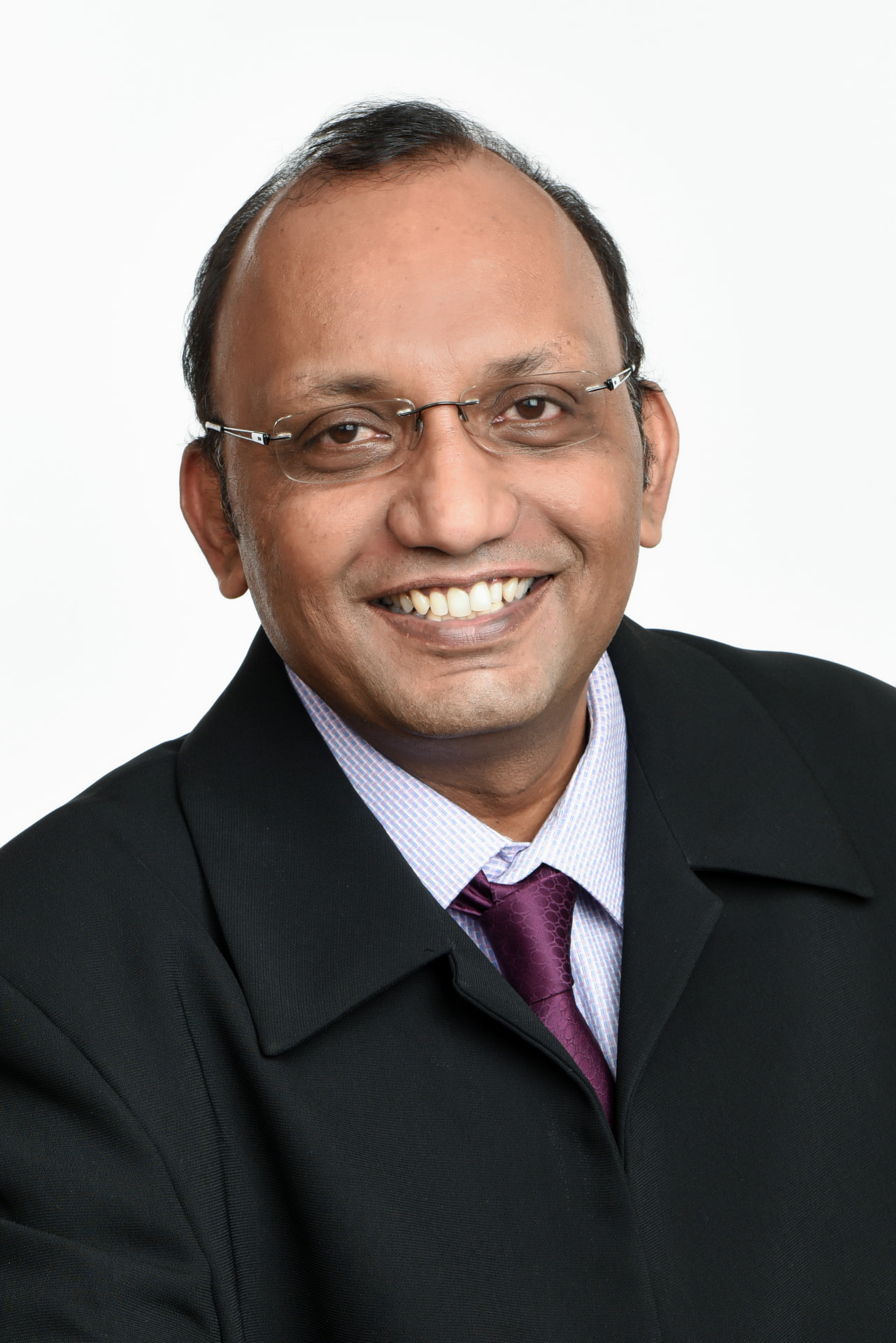
Over three decades, I have been brought into transformation situations where technology was only part of the problem.
Mergers. Global infrastructure estates. Cloud transitions. Business disruption. Operating-model change. Complex programmes under pressure.
My role has been to connect the business problem with the enterprise architecture, operating model, governance and execution required to solve it.
Technology applied to complexity creates more complexity. Simplify first. Automate second.
The pattern
The same patterns kept appearing.
Those patterns shaped how I approach transformation today. They also led to the creation of two proprietary systems.
Complexity introduced before alignment.
Enterprises often add systems, processes and technology before the strategy and operating model are clear.
Technology selected before decisions.
Platforms are chosen while decision rights, data trust and workforce readiness are still unresolved.
Activity measured before outcomes.
Programme milestones are tracked while the business outcome the board expects remains undefined.
ETF™
Enterprise Transformation Framework™
Defines what must change across the nine layers of the enterprise.
EOS™
Executive Operating System™
Governs how leaders operate the change and sustain executive control.
Experience
The decisions I help leaders make are decisions I have delivered against.
Selected engagements
€150M hybrid cloud transformation — 3,700+ resources migrated across 185 resource groups in 15 months
US$50M digital transformation — 300 applications migrated across 500 servers, zero disruption to operations
Large-scale infrastructure migration — 62-person global team, 60,000+ users, zero downtime, full regulatory compliance
How I think
Six positions shape how I engage with transformation.
Simplify before automating.
Automating a complex enterprise industrialises the complexity. Remove it by design first.
Evidence before opinion.
Executive decisions require trusted data. Where data cannot be trusted, the decision is a guess with a governance wrapper.
Decisions before reporting.
Governance exists to make decisions. If decisions take months, governance is not working.
Outcomes before activity.
Activity is not progress. Transformation is measured in business outcomes the board can calculate.
Systems before initiatives.
Strategy, operating model, governance and data form one system. Initiatives that ignore the system stall inside it.
Ownership before comfort.
Every capability, process and outcome has a named executive owner with visible performance measures.
Proprietary method
Architecture and executive control must work as one system.
ETF™
Defines what must change.
Creates the transformation architecture across vision, strategy, operating model, governance, data, people, technology, adaptation and business outcomes.
EOS™
Governs how leaders operate the change.
Sustains executive control through the leadership loop: lead, direct, govern, execute, enable, measure and evolve.
Destination
Business outcomes.
The destination is measurable, sustained business value — not activity, not milestones, not technology deployed.
Career journey
From engineering to enterprise transformation.
Each stage expanded the scope of responsibility — from technical foundations to enterprise-wide transformation accountability.
- 01
Engineering
Deep technical grounding in enterprise infrastructure and service operations.
- 02
Architecture
Designing platforms and service architectures across infrastructure, workplace and data estates.
- 03
Transformation
Accountability for large-scale enterprise modernisation programmes and their business cases.
- 04
Global Delivery
Leading distributed delivery organisations across regions, time zones and five continents.
- 05
Operating Model & Governance
Connecting business strategy, operating model and governance so decisions and outcomes align.
- 06
Executive Leadership
Advising executive teams on transformation direction, sequencing and measurable business value.
Recognition
Experience recognised.
Fujitsu Star Award recipient in 2023, 2024 and 2025 — recognition earned across sustained global transformation delivery, not a single programme.
How I work
I do not start with technology.
I start with the enterprise problem. Then I simplify the system around it. Only then do I introduce technology.
Simplify first.
Automate second.
Transformation succeeds when strategy, operating model, governance, technology, data and people move as one system. My job is to make that alignment visible, then executable.